
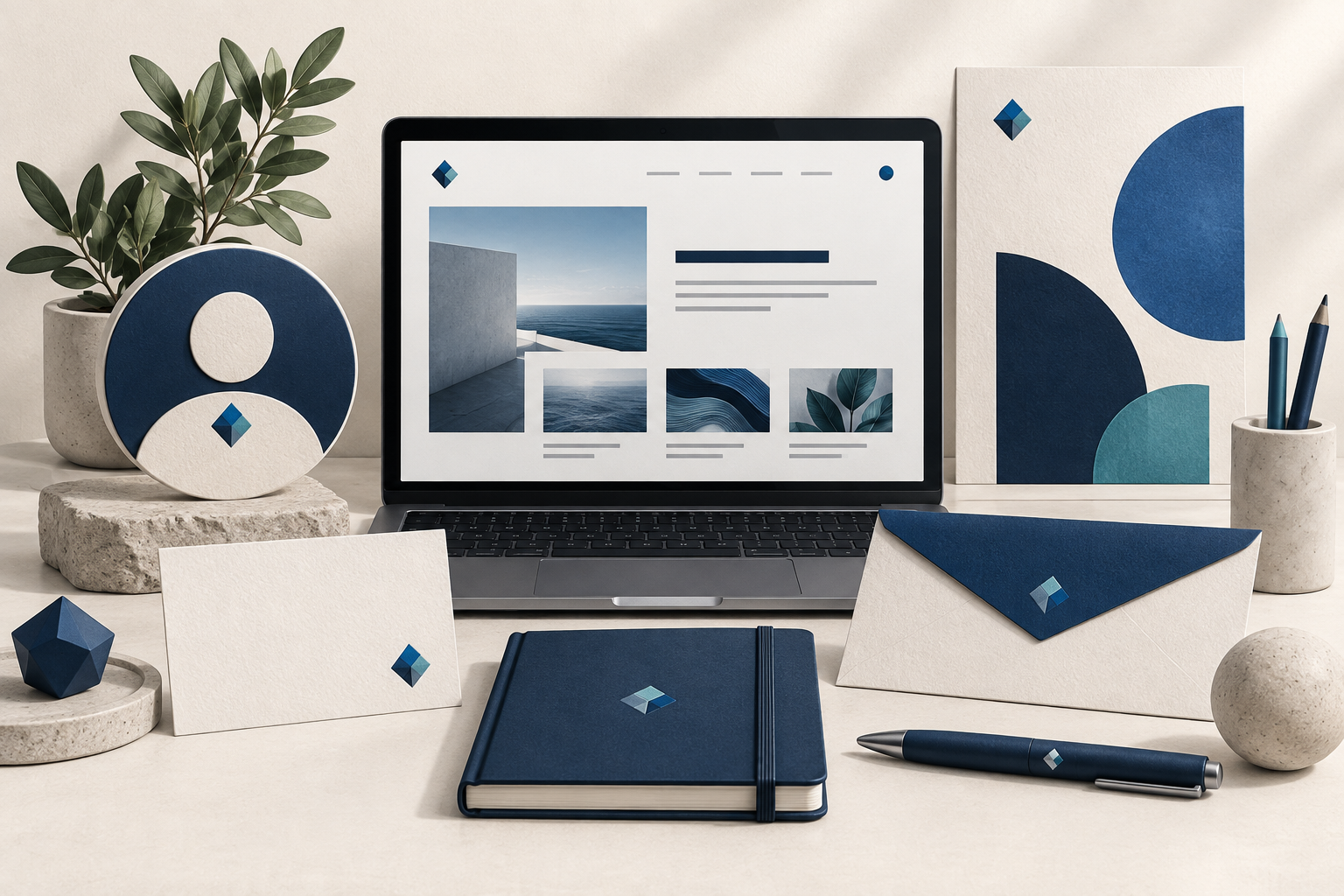
These personal branding tips help freelancers and business owners explain what they do, show evidence of their work and build a consistent online presence. A useful personal brand makes it easier for the right people to understand your expertise and decide whether to contact you.
Start with a clear message and a small collection of relevant work. Your website, professional profiles and content should support that message with specific examples rather than broad claims.
1. Define your brand identity
Start by identifying your strengths, values and the problems you can help solve. Choose a primary audience so your message speaks to a recognizable need. “I build websites” is broad; “I build manageable WordPress websites for service businesses” gives a potential client more context.
Write a short introduction using this structure: I help [audience] achieve [outcome] through [service]. Keep the outcome realistic, and avoid claiming results you cannot demonstrate. Use the same core message in your website introduction, professional biography and proposals.
2. Build a consistent online presence
Ensure your website, social profiles and blog use a recognizable name, current photo and consistent description of your work. Colors and typography help recognition, but accurate information matters more than making every platform look identical.
Your personal website should answer four questions: who are you, what do you offer, what evidence supports your work, and how can someone contact you? Include an about page, service information, selected projects and a clear contact route. Make those pages easy to use on a phone.
For an example of a professional introduction, see my about page. Treat any example as a structural reference: your own experience, audience and voice should guide the content.
3. Create useful content for your audience
Choose questions that clients actually ask before working with you. Explain how you approach a problem, what information is needed and what trade-offs affect a decision. A short, specific explanation is more useful than repeating general advice without an example.
Build a manageable list of topics from enquiries and project conversations. Remove confidential details, get permission for client material where necessary, and distinguish hypothetical examples from real results. Link a relevant article to the service or contact page that helps the reader take the next step.
Choose a publishing pace you can maintain. Review older content when your services or approach change instead of focusing only on publishing something new.
4. Network and build professional relationships
Personal branding includes how you interact with other people. Join relevant discussions, share useful observations and ask thoughtful questions. When contacting someone, explain why the conversation is relevant to their work rather than sending a generic sales message.
After a collaboration, ask for feedback about the specific work delivered. If a client agrees to a public testimonial, keep their wording accurate and clarify which project it describes. Do not publish private conversations or imply an endorsement without permission.
5. Be authentic and show your work
Share your experience in language you would use in a real conversation. Explain your role honestly, especially when projects were delivered with an agency or a wider team. A portfolio entry should make your contribution clear.
Describe the original problem, what you delivered and what can be verified. If you do not have measured results, show the finished work and explain the decisions behind it. You can also discuss lessons learned without exposing a client’s private information.
How to put these personal branding tips into practice
This week, update your introduction, check your profile and website details, and choose one project to explain clearly. Then write one article answering a relevant customer question. Keep a short list of improvements so the work remains manageable.
Review whether your enquiries match the services you want to offer. If people repeatedly misunderstand your work, revise the message and examples before adding more channels. A personal brand should help people make an informed decision about working with you.
If your next step is a professional website, explore my website development services or get in touch about your personal website.